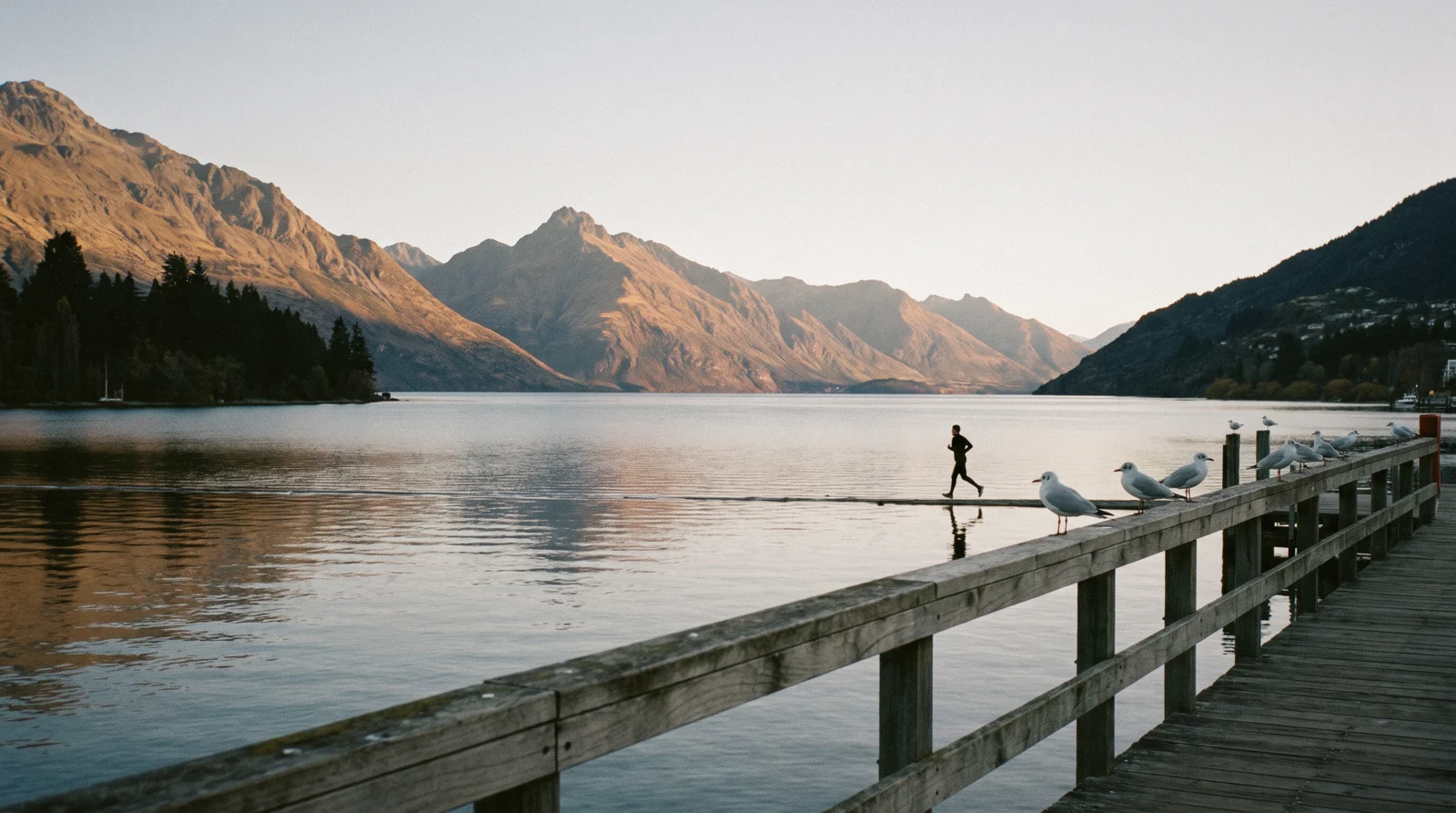
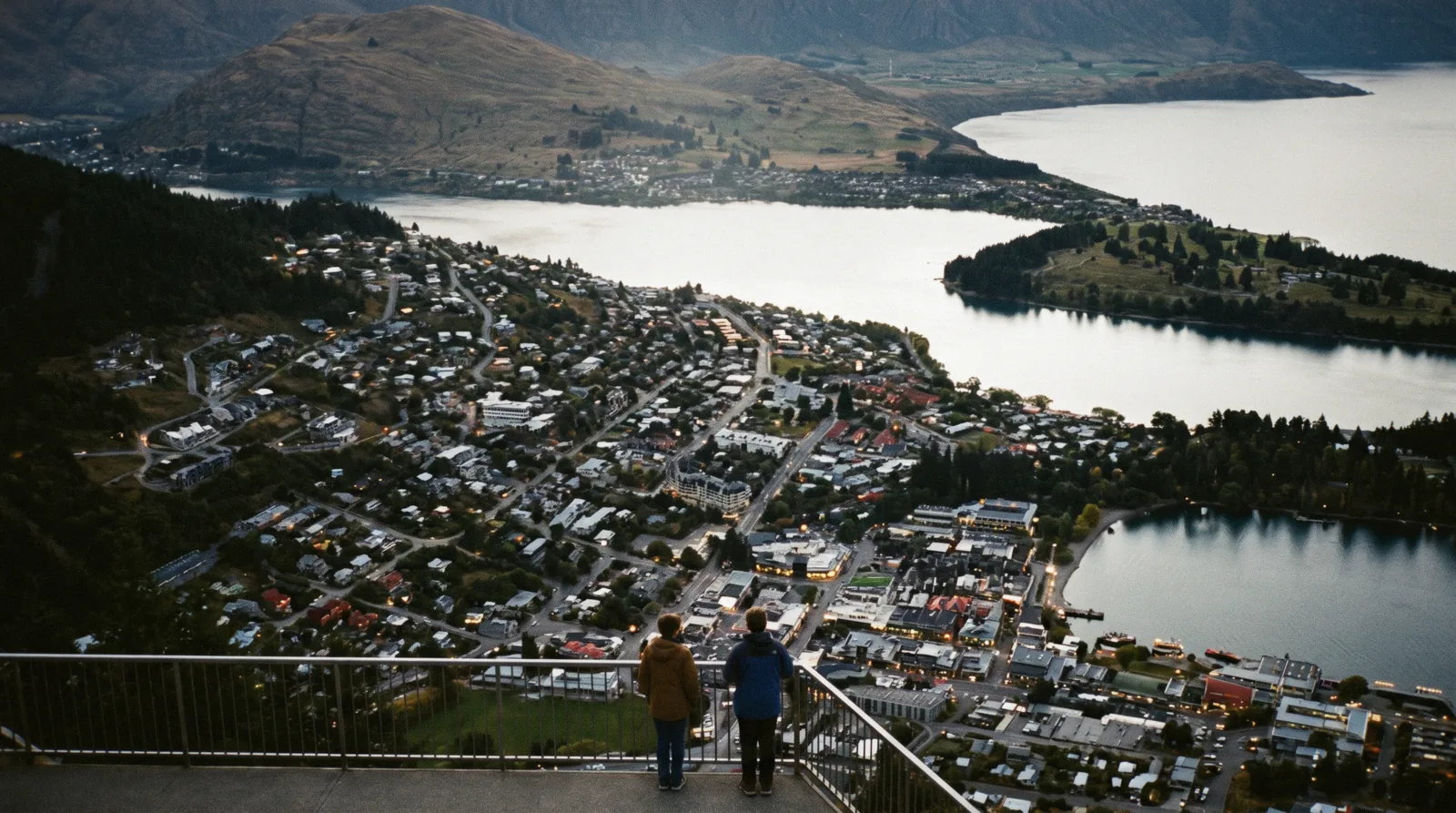
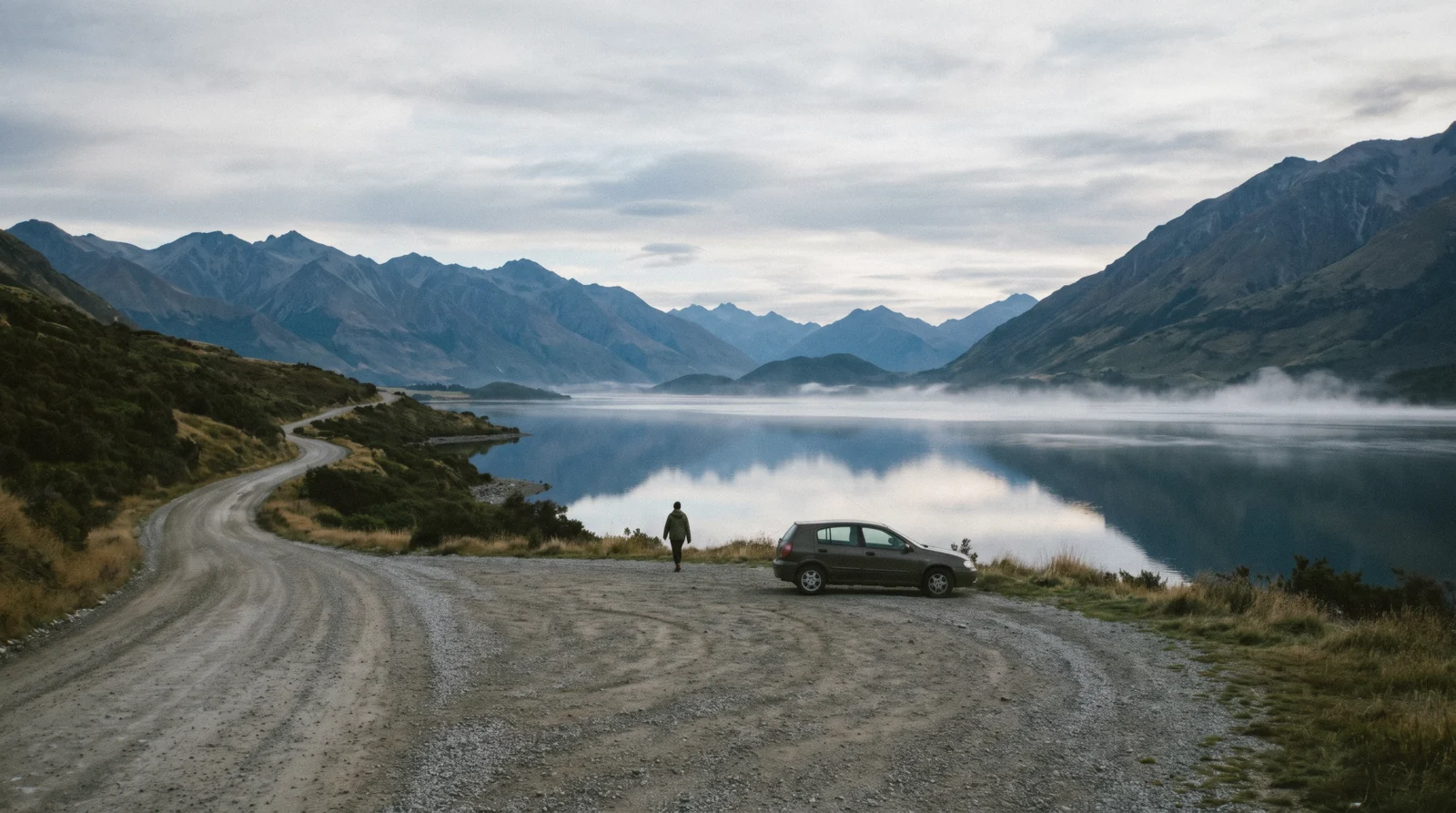
The Remarkables rising straight out of Lake Whakatipu behind the town jetties at first light in Queenstown, New Zealand
Queenstown, New Zealand: An Independent City Guide
Nothing in Queenstown, New Zealand closes on a Monday; what closes it is wind, cloud and snow on three access roads, and no listicle tells you which ones. This guide prints the operator's own price, the Department of Conservation's own walking time and the date each was read, so you can see what a day here really buys before you pay for it.
Quick answerWhat the headline experiences cost, how many days the town needs, what stops them
Three days is the working minimum for a first visit to Queenstown: one for the town, the lake and Bob's Peak, one for a river or a mountain, and one for the long drive to Fiordland or Aoraki. The three prices that shape a trip here are the Skyline gondola at $40.30 (NZ$69) return, a 25-minute Shotover Jet ride at $116.20 (NZ$199) and the world's first commercial bungy at Kawarau at $186.90 (NZ$320), all read on the operators' own sites in Q3 2026. Prices on this site are US dollars first at NZ$1 = $0.584, with the official New Zealand dollar figure in brackets.
Key takeaways
The town itself is free and the free part is the good part: a 2 km loop through Te Kararo Queenstown Gardens, a two-to-three-hour climb up Queenstown Hill for the same view the gondola sells, and a viewing deck over the Kawarau bungy that costs nothing to stand on.
One booking decides the shape of a day more than any other: a Milford Sound coach and cruise is a 600 km, twelve-to-fourteen-hour return that the Department of Conservation itself suggests you run from Te Anau instead, and what the Fiordland day actually involves is the page to read before you buy it.
Two prices catch people out at the airport, not in town: the NZeTA at NZ$17 arrives with a compulsory NZ$100 conservation levy attached, so entering New Zealand on a waiver passport costs about $68.30 (NZ$117), and the airport bus is $1.46 (NZ$2.50) on a Bee Card against $5.84 (NZ$10) in cash.
Book ahead for exactly three things. The Onsen hot pools release availability five to six months out and charge in full inside 24 hours, the Nevis site is reached only on the operator's own bus, and the Fiordland coaches leave between 06:45 and 07:35. Everything else on this site can wait until the week you are here.
Nothing in Queenstown shuts on a Monday. What shuts things here is wind, cloud, snow and a single-lane tunnel on the Milford road, which is why the rainy-day page exists and why every activity page says what happens to it in bad weather
Queenstown in five decisions: what to do, what to book, where to sleep
The five hubs of this guide, each with the three facts that actually decide it.
Everything in the basin that has a published price or a published time, grouped by where it physically is rather than by how often it appears on a list.
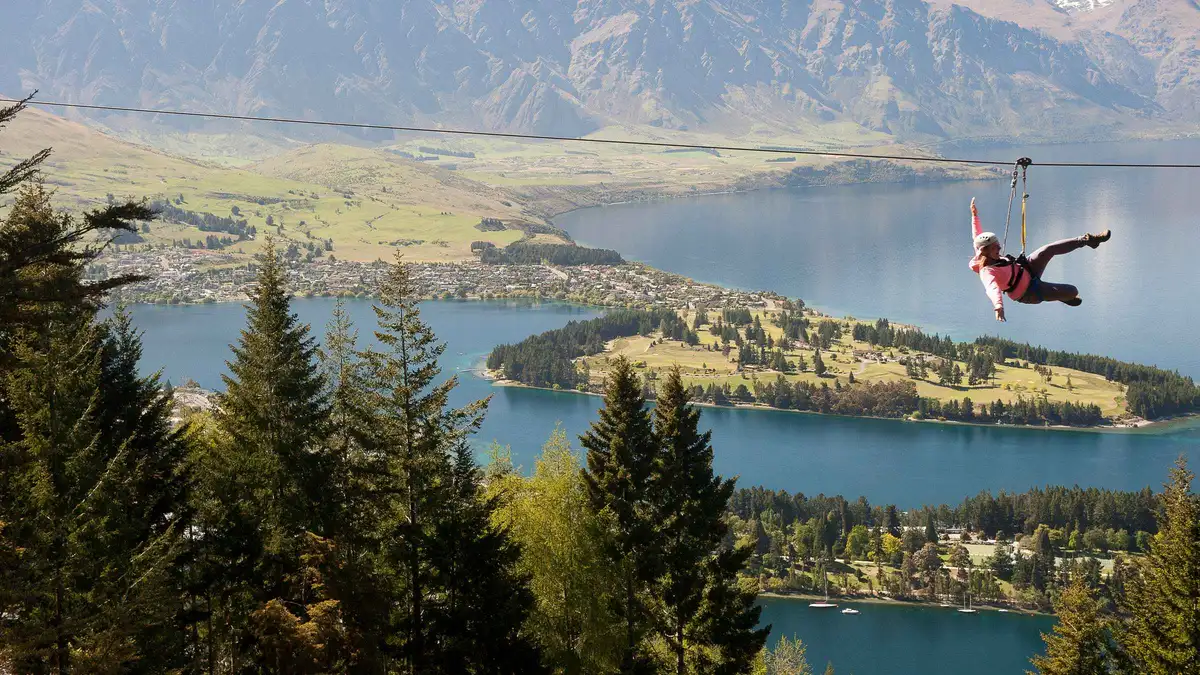
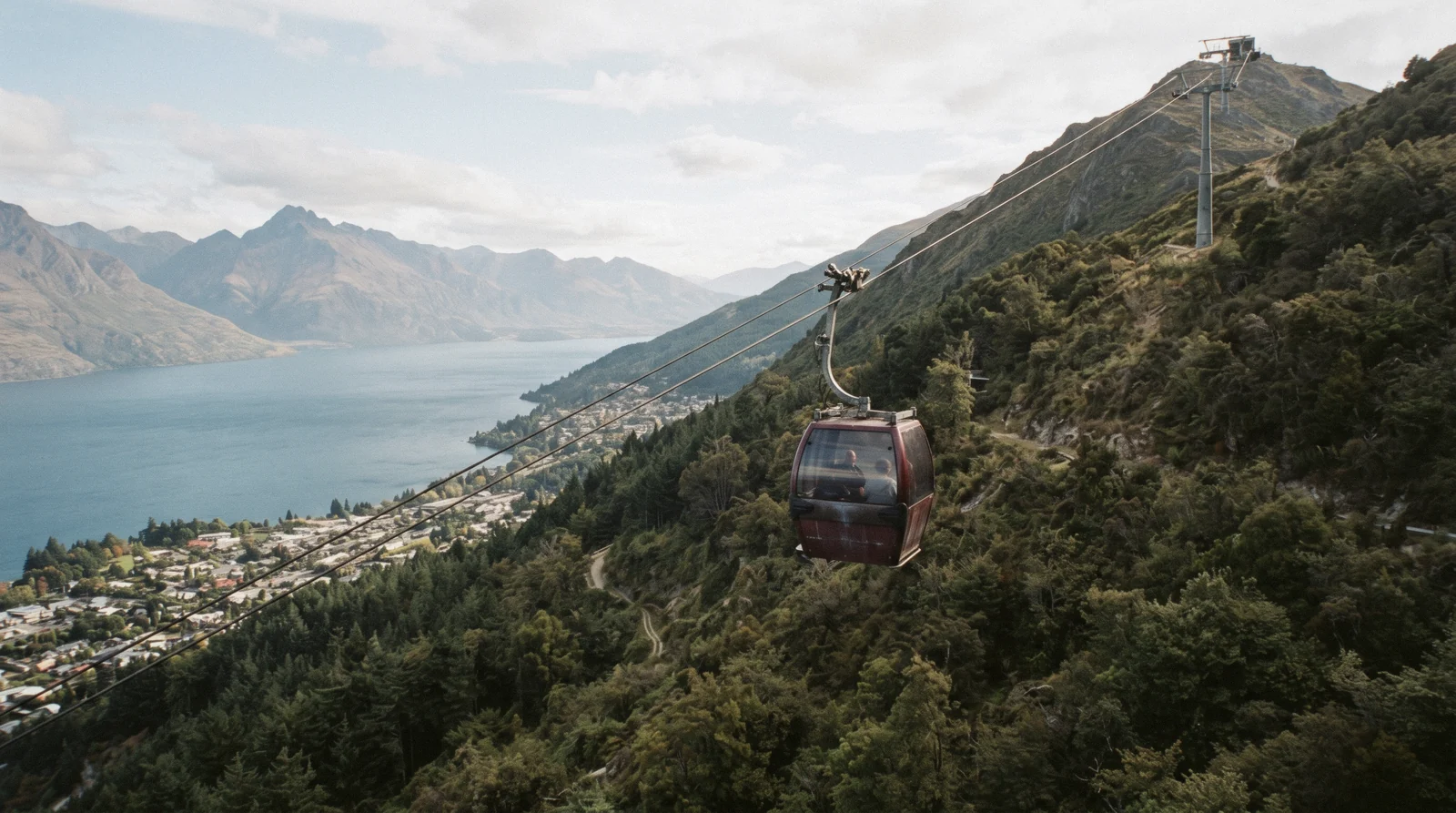
Skyline Queenstown is the ride nobody skips: $40.30 (NZ$69) return, open daily, luge and ziplines hanging off the same terminal
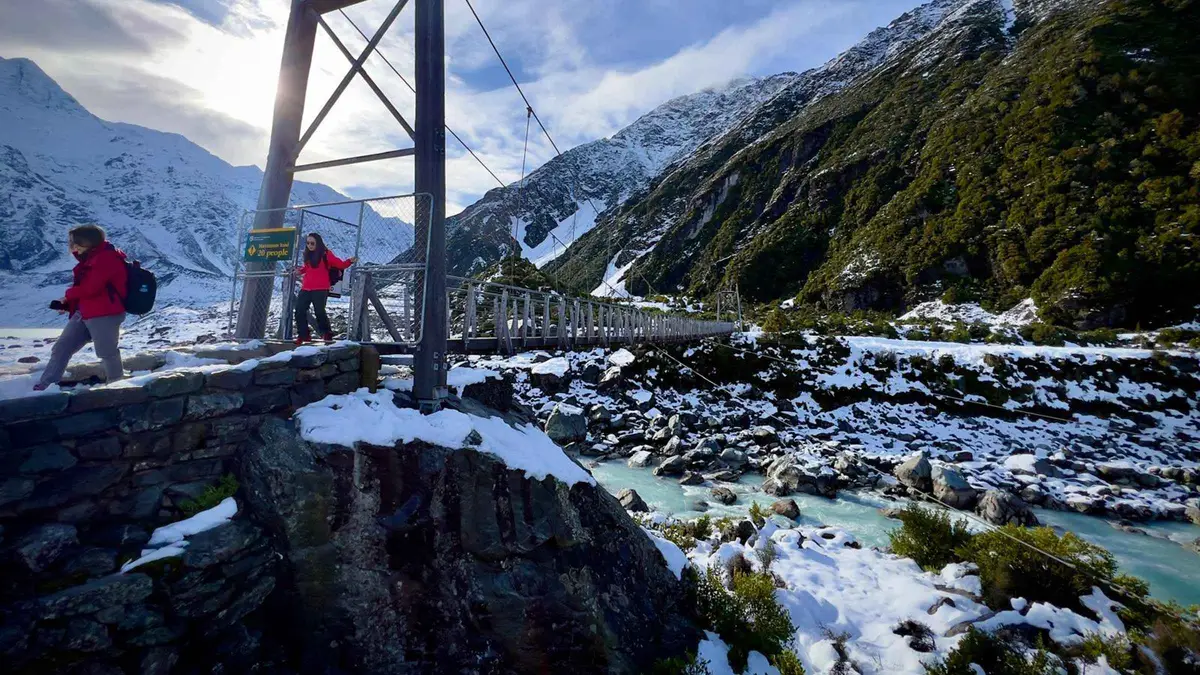
The walks cost nothing and carry the Department of Conservation's own times: Queenstown Hill 5.4 km and two to three hours, Ben Lomond six to eight
Where To Go In Queenstown: Six Places, In Trip Order
Queenstown is a town of 30,000 people in a basin ringed by 2,000 m ranges, so the plan is not a list of sights but an order of places. These six are what a first visit uses, and the chip on each card says when in the trip it belongs. Any Orbus ride between them is $1.46 (NZ$2.50) with a Bee Card.
Six walkable blocks between the Gardens peninsula and Brecon Street, holding the gondola base, the RealNZ wharf, the Kiwi Birdlife Park and almost every restaurant in this guide. You can stay here without a car and never need one.
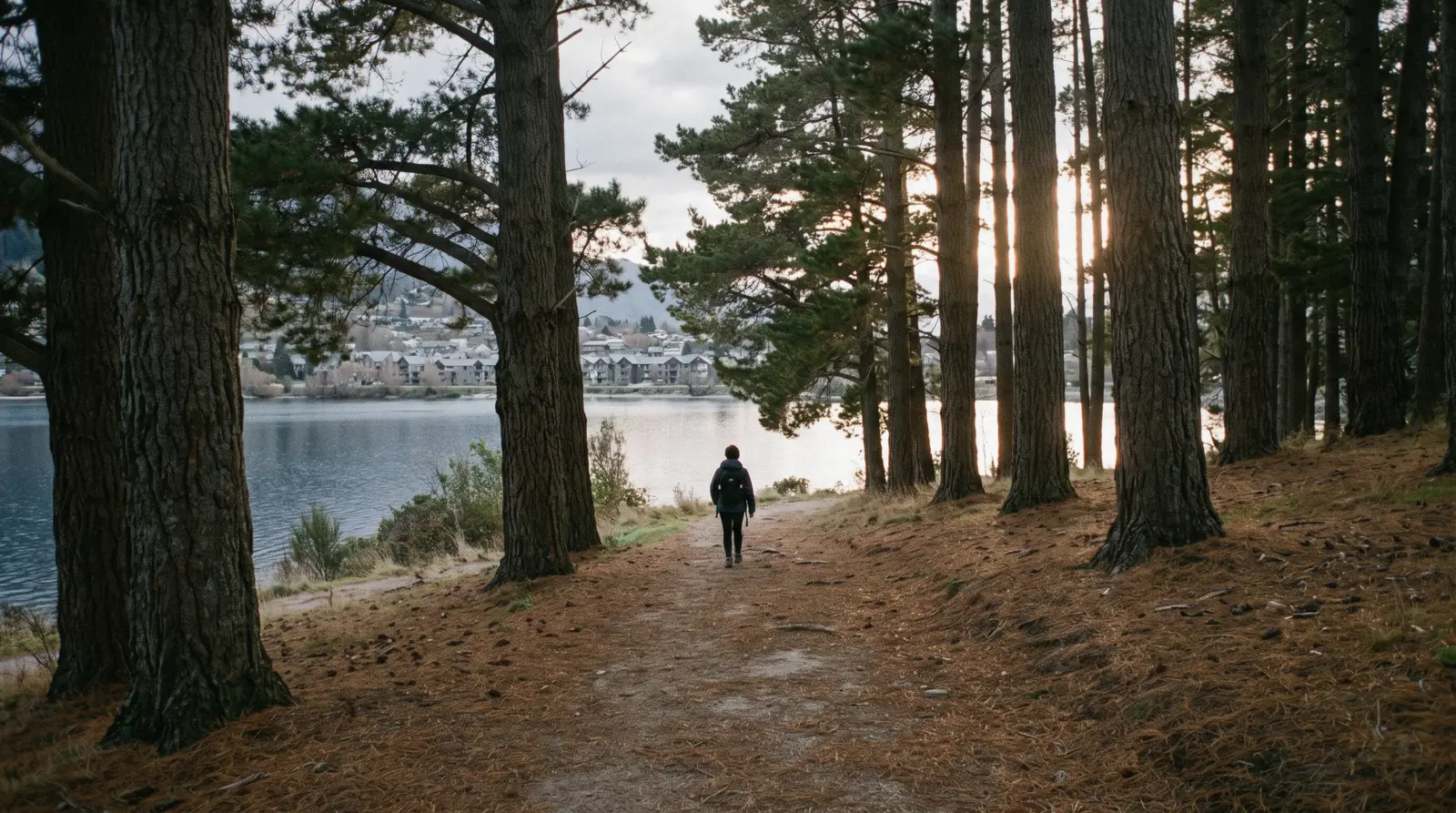
Te Kararo Queenstown Gardens is a free 2 km loop off Marine Parade with an ice arena and an 18-basket disc-golf course inside it
Midweek October rooms ran $119–269 (NZ$203–460) here, the dearest of the six areas: the comparison
The hill directly above Brecon Street, 480 m of it, reached by gondola in five minutes or by the Tiki Trail on foot in an hour. Everything at the top is a separate company: the luge is Skyline's, the ziplines are Ziptrek's, the paragliders are GForce's.
Gondola return $40.30 (NZ$69); Ziptrek tours start at $69.50 (NZ$119) and none of them includes the gondola
The Ben Lomond saddle from the top terminal is 7 km and three to four hours return, and DOC publishes no gondola-assisted summit time at all
The working side of the basin, 8 km east: the airport, the hospital, the supermarkets and the marina. It is where you land, where you fill a rental car, and where a room costs the least of any area with a bus into town.
The airport bus is $1.46 (NZ$2.50) on a Bee Card and $5.84 (NZ$10) in cash, the only cash premium on the network: every way in
The peninsula on the far shore, with the golf course, the trail network and the only ferry commute in the district. The crossing is the point: it is the cheapest boat ride on Lake Whakatipu and it runs to a published timetable.
The ferry is $5.84 (NZ$10) with a Bee Card and $8.18 (NZ$14) without, hourly from 08:45 to 21:45 out of Queenstown Bay
Midweek rooms ran $160–232 (NZ$273–397), though only five of the nine properties returned a price: how thin that sample is
East over the Shotover: a gold-rush village with a restored Chinese settlement, and a wine sub-region on the highway back. They fit in one half day because they are twenty minutes apart, and a bike trail connects them.
Lakes District Museum is $8.18 (NZ$14) adult, open 09:00 to 17:00 every day but Christmas; a pan and trowel hire is NZ$5 year-round
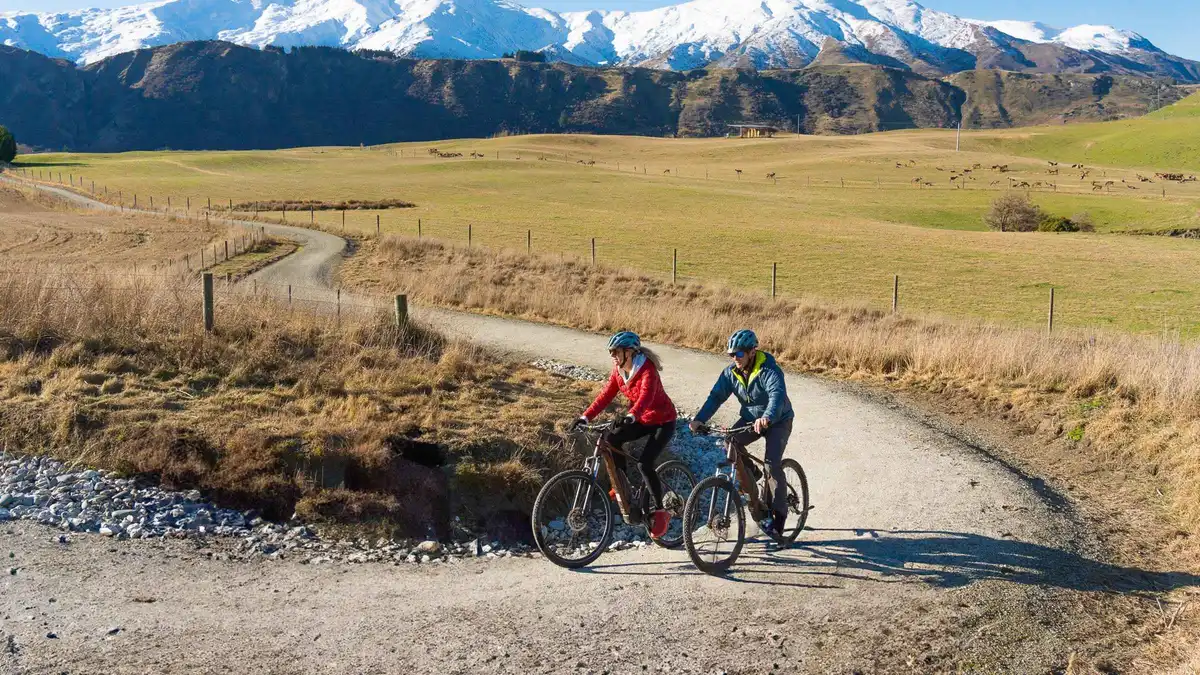
Gibbston cellar doors charge $11.68 (NZ$20) at Chard Farm up to $37.98 (NZ$65) hosted at Brennan, and the river trail between them is 8.7 km one way
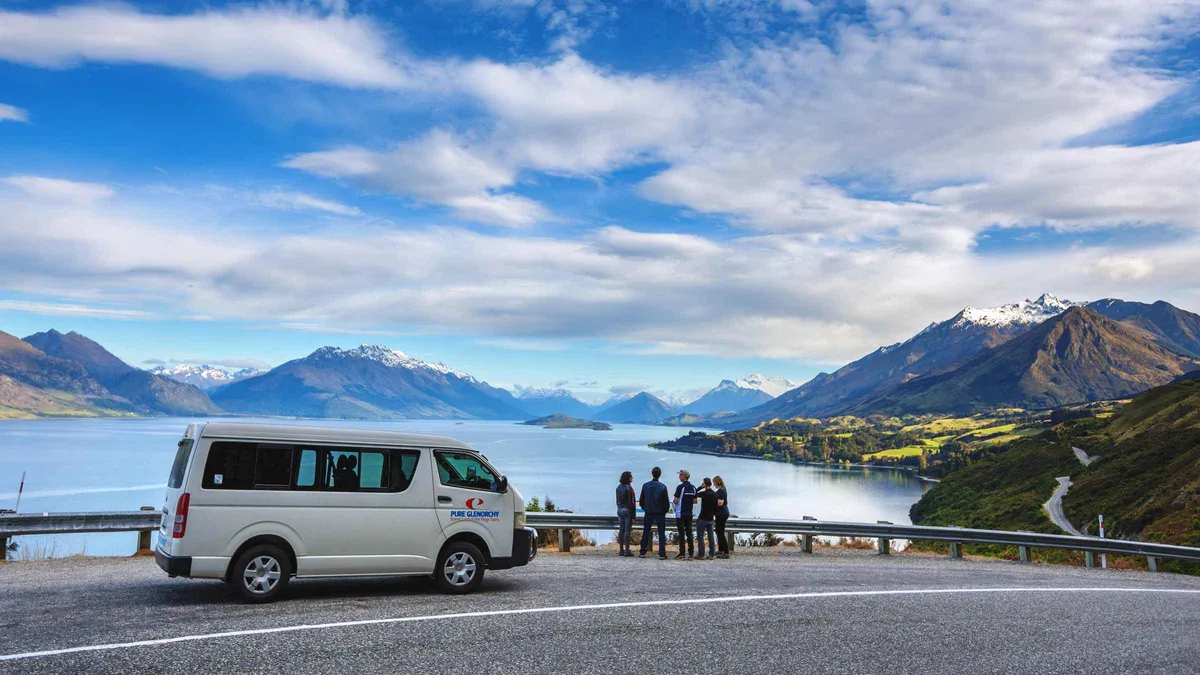
Not in Queenstown at all, and the single most misjudged booking on this site. DOC states the return trip from Queenstown as 600 km and 12 to 14 hours, and recommends planning it from Te Anau instead. Most people still do it from here, in a coach, and the coach is the right answer.
There is no entry fee and no booking charge for the fiord; the only charge on arrival is parking at NZ$10 an hour before 15:00
The Homer Tunnel is single lane on traffic signals and can add 20 minutes at summer peak: what the day actually contains
The long day, by coach
The Eight Places Worth Rearranging A Trip For
In the order a first visit takes them, with the reason each earns its half day. Prices are the operator's or the authority's own adult figure, read in Q3 2026.
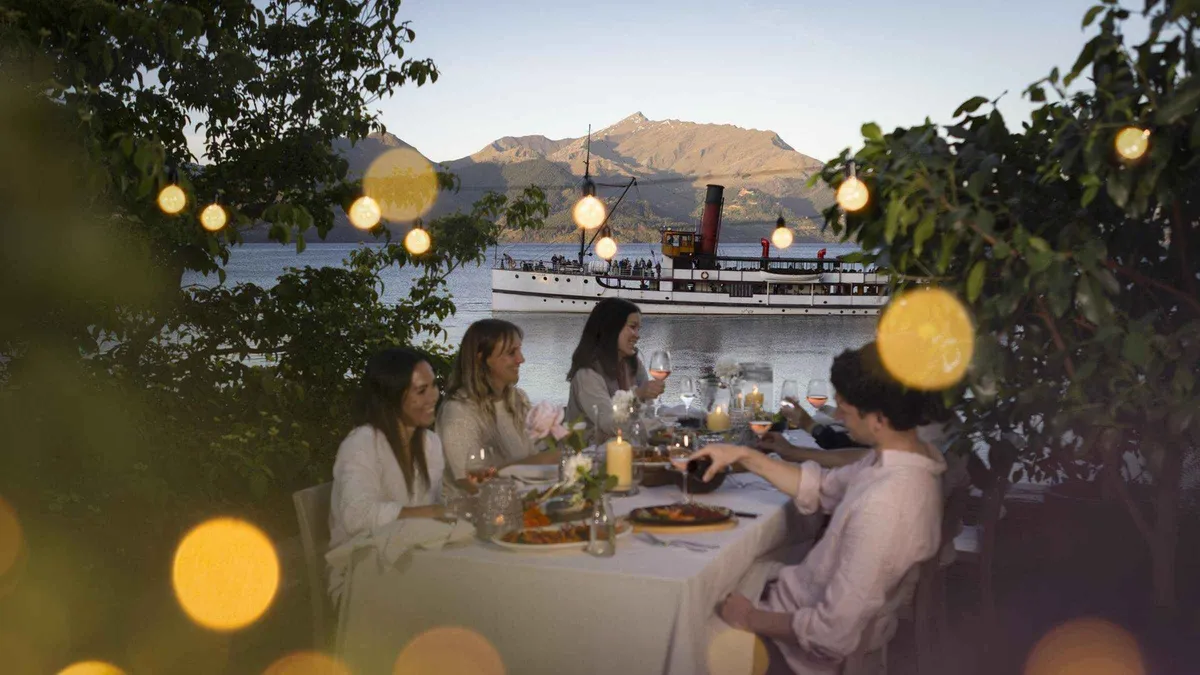
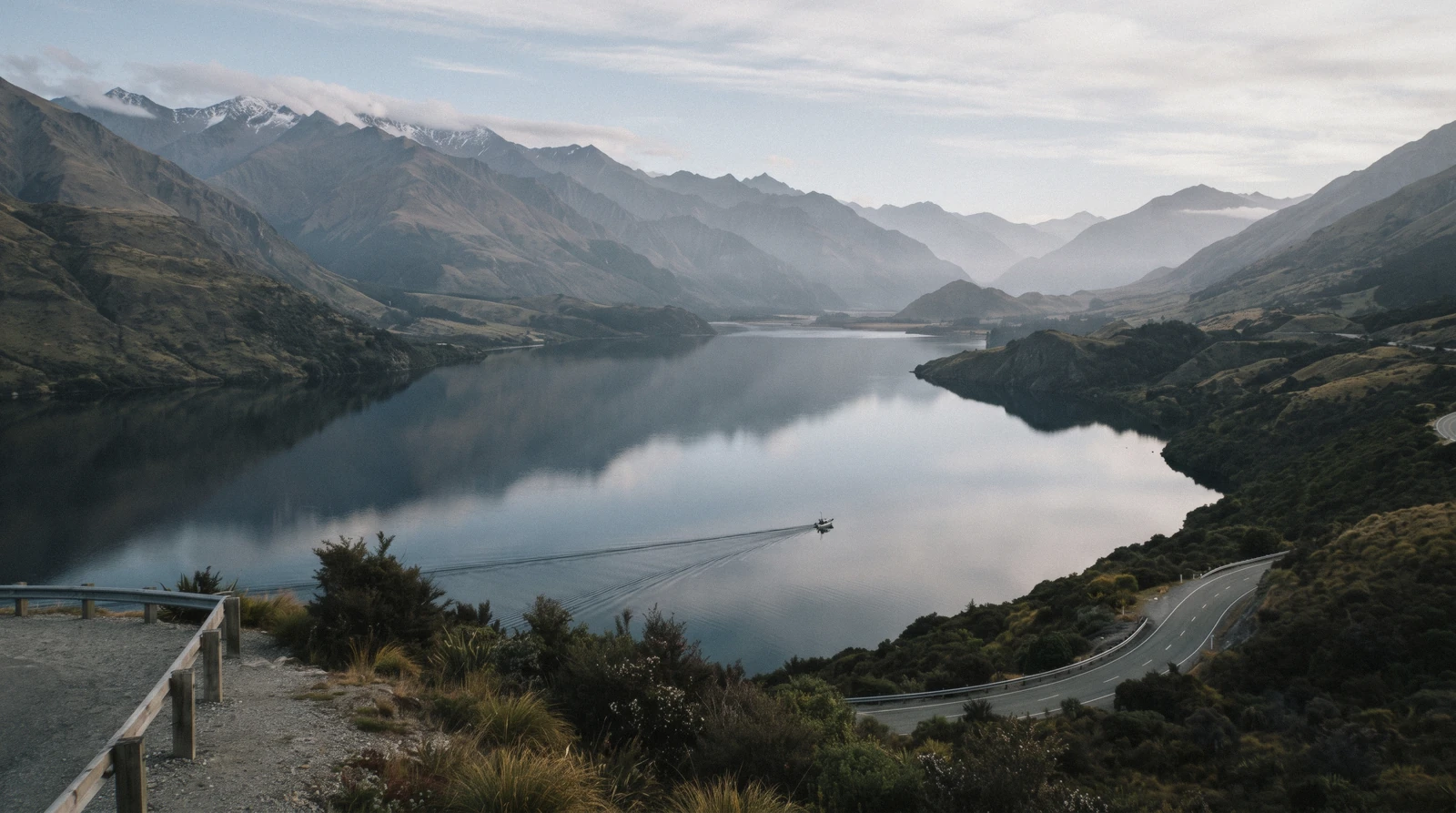
Start on the water and work upwards. Lake Whakatipu is the reason the town is here: 80 km long, 293 km² and over 300 m deep for more than half its length, according to the council's own boating guide, and it sits between 8 and 10°C in every month of the year. The cheapest way onto it is the Kelvin Heights ferry at $5.84 (NZ$10); the best-known is the TSS Earnslaw, a hand-fired coal steamer launched in 1912 that still crosses to Walter Peak in 45 minutes. RealNZ prices the cruise alone from $67.20 (NZ$115) and the farm tour from $81.20 (NZ$139), and publishes no departure clock times on any public page.
The hill above the town, and the free way up it
Skyline Queenstown lifts you 480 m to Bob's Peak on what the operator calls the steepest cable-car lift in the Southern Hemisphere, and it is the one paid thing almost nobody regrets: $40.30 (NZ$69) return, running from 09:30 until 21:00 in the week we read the timetable. The luge sits at the top, at $61.90 (NZ$106) for the operator's own recommended six rides, and the operator publishes its hours only as a rolling weekly table rather than as fixed seasons. What the photographs never mention is that the Tiki Trail climbs the same hill for nothing.
DOC calls it one hour, one way, and steep, which is a fair warning: it is a climb, not a stroll.
Three ways of falling, and what each one costs
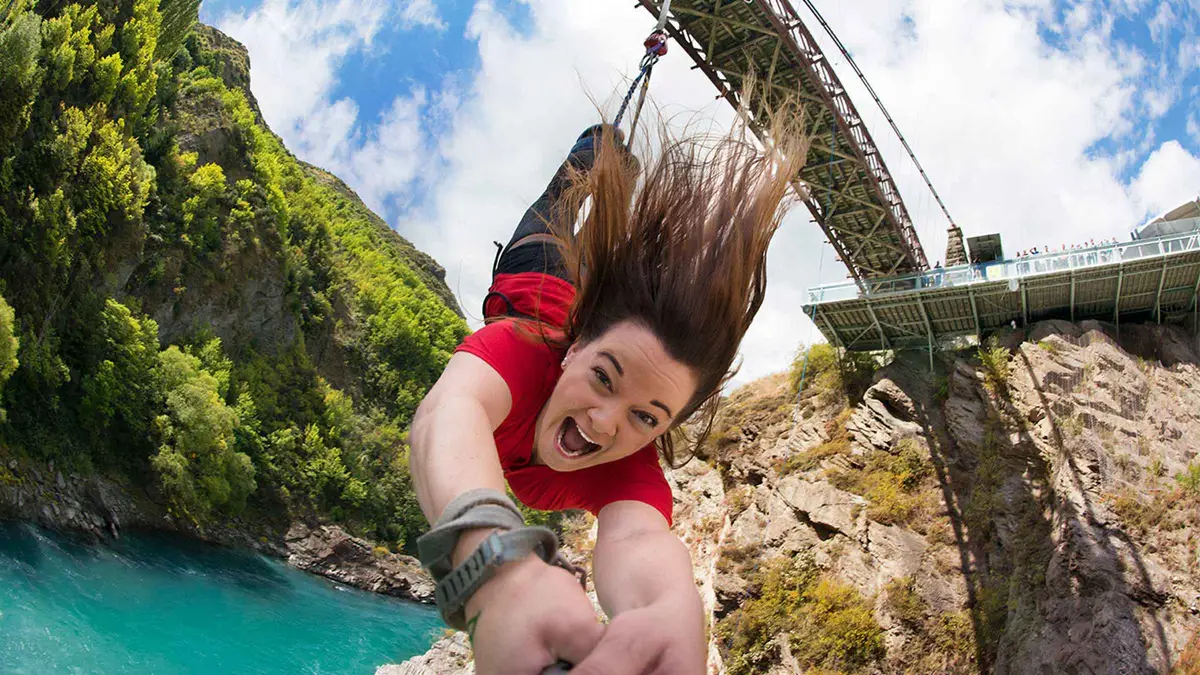
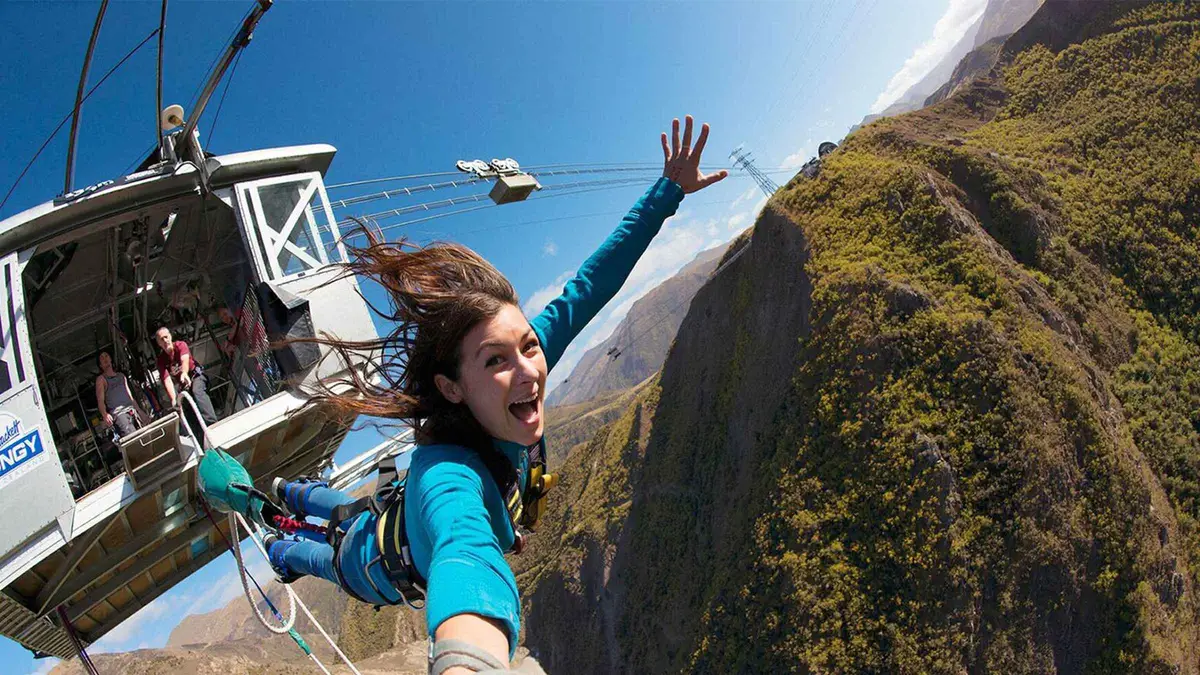
The Kawarau Bridge is where commercial bungy began, off an 1880 road bridge 23 km east of town, and AJ Hackett charges $186.90 (NZ$320) to jump from it, $140.20 (NZ$240) to swing and $29.20 (NZ$50) for the zipride. Watching costs nothing at all, from a deck with a café and free parking, which makes it the best free hour in the district for anyone travelling with someone who is jumping. The Nevis is the other end of the scale: 134 m, an 8.5-second freefall, $230.70 (NZ$395), and about four hours out of your day because the site is reachable only on the operator's own 4WD bus. A spectator seat on that bus is NZ$50, and there is no other way in.
The rivers
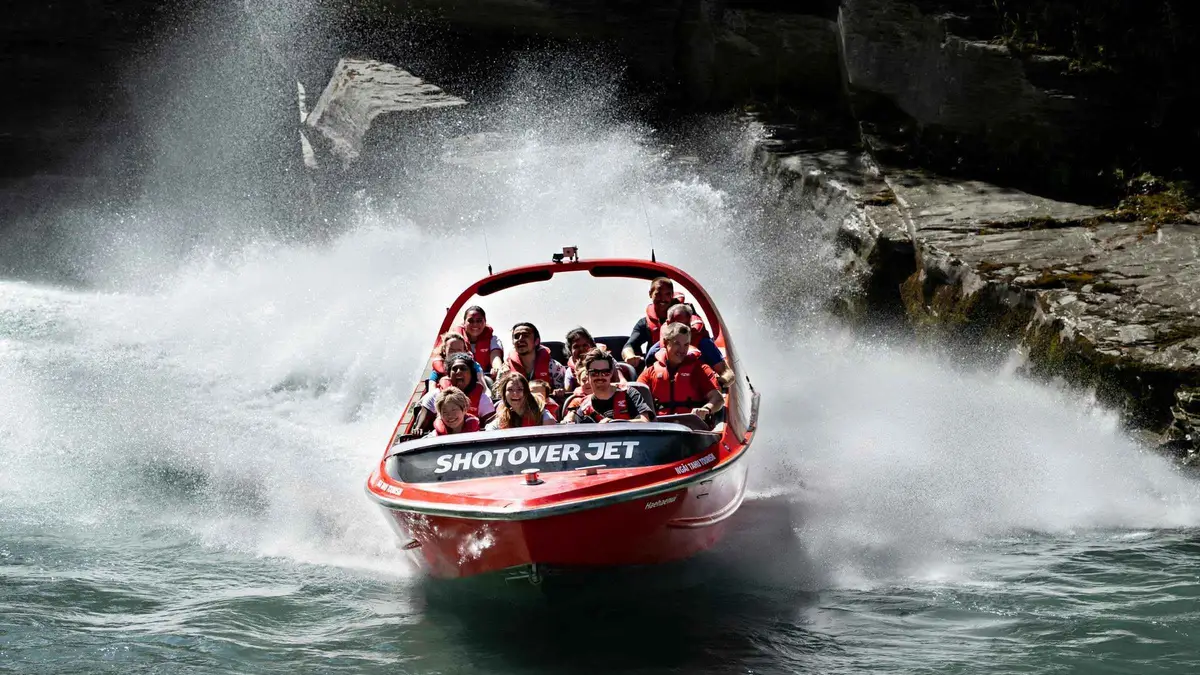
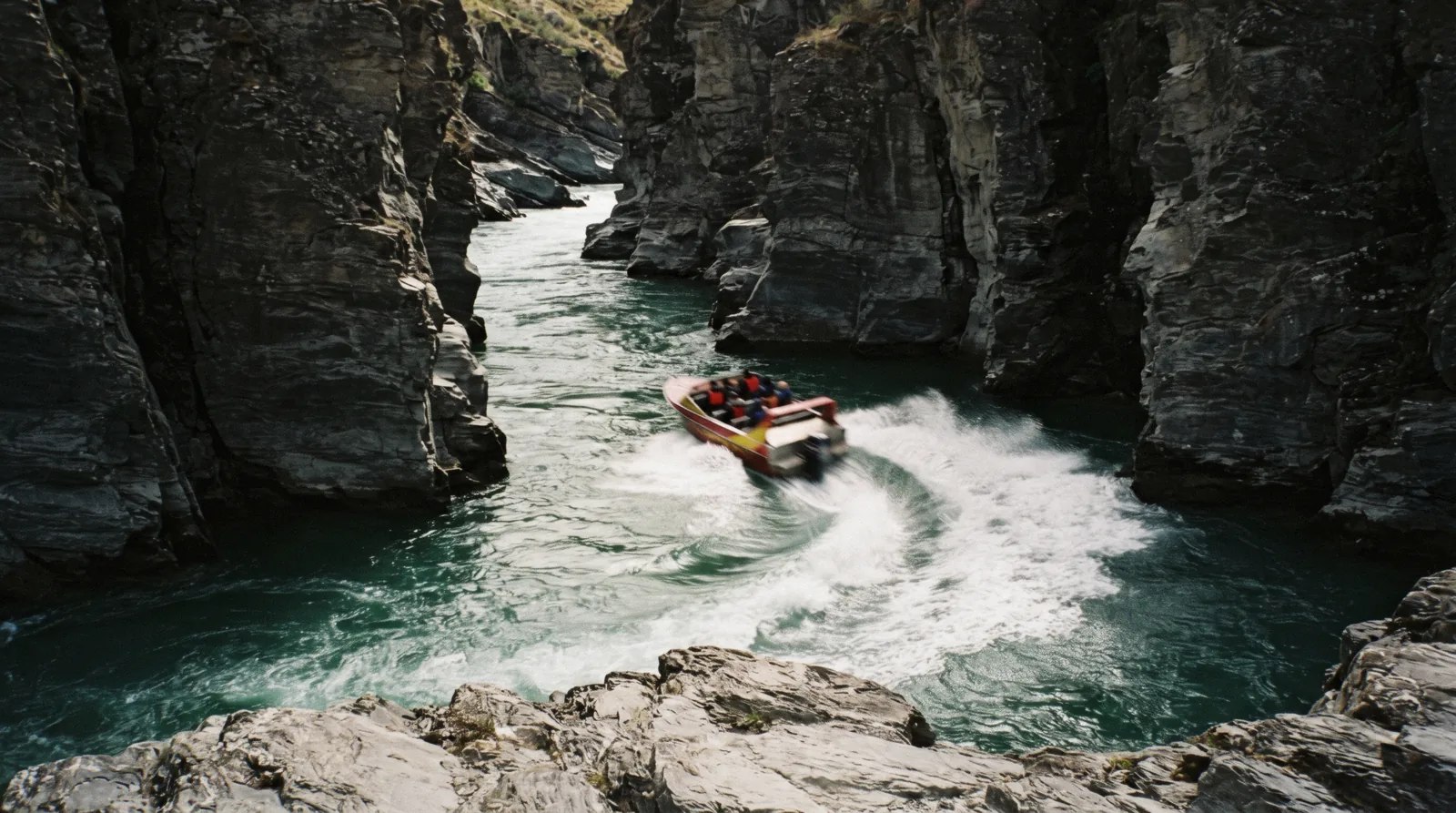
Shotover Jet is the only operator permitted in the Shotover canyons, which is the whole product: 25 minutes on the water, $116.20 (NZ$199) adult and $63.70 (NZ$109) child, departures from 09:30 to 16:00 seven days a week, closed only on Christmas Day. Total time is about an hour if you drive yourself to Arthurs Point and an hour and three quarters if you use the free town shuttle. Upstream, Skippers Canyon is the road the gold rush left behind, and it needs a warning the tour listings still do not carry: the council closed Skippers Bridge to all vehicles, cyclists and pedestrians after an inspection found wire failures in its suspension cables, and has published no reopening date.
Two half days out of town
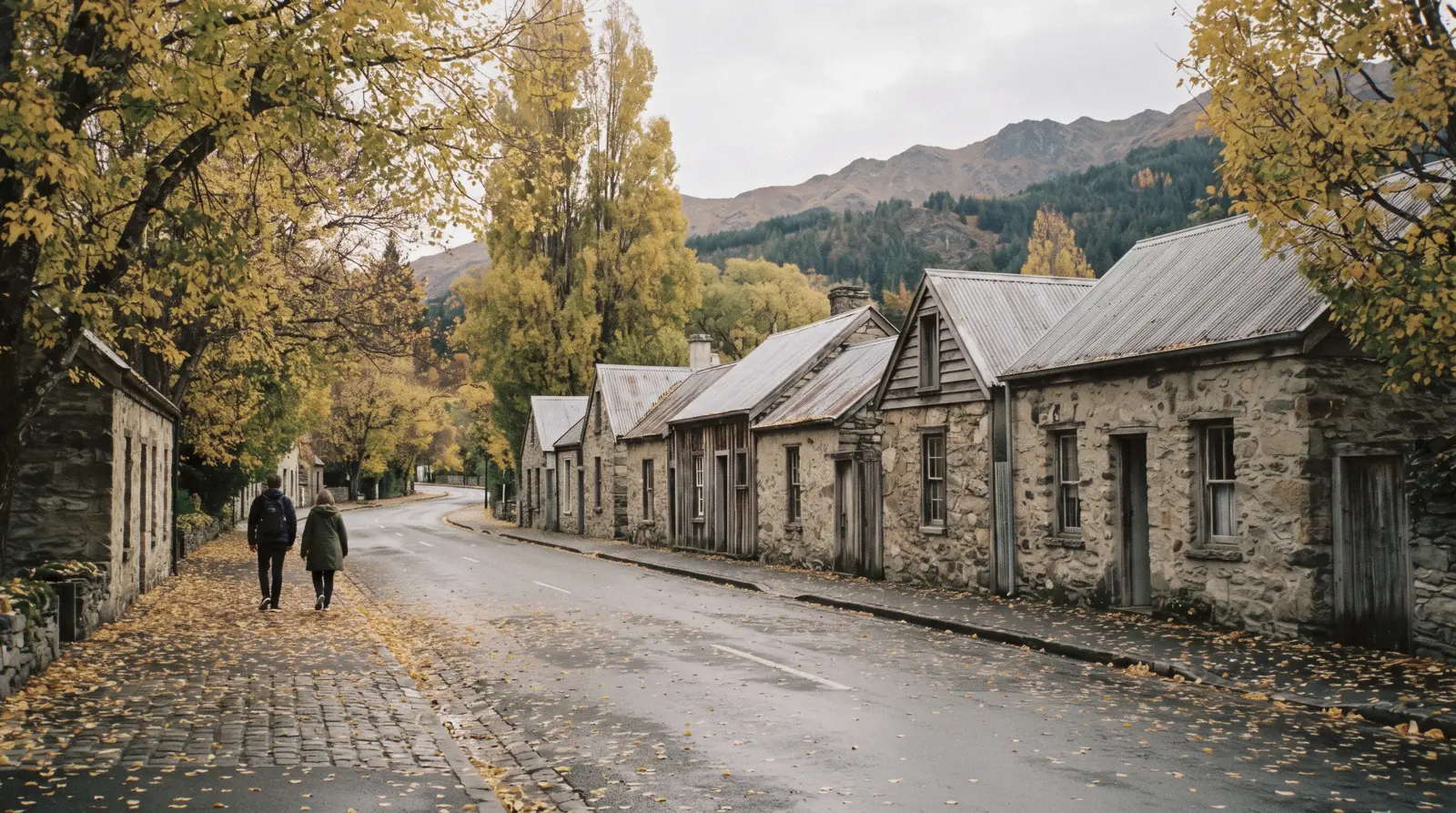
Arrowtown is twenty minutes east and worth a morning for one thing above the shopfronts: the Chinese settlement on Bush Creek, where fewer than 200 Otago miners in 1866 had become 3,564 by the 1874 census, and where five huts were reconstructed after the 1983 excavation. DOC publishes no admission charge for it and never calls it free, so we do not either. The Lakes District Museum on Buckingham Street is $8.18 (NZ$14) adult, open every day but Christmas, and fully wheelchair accessible with a lift.
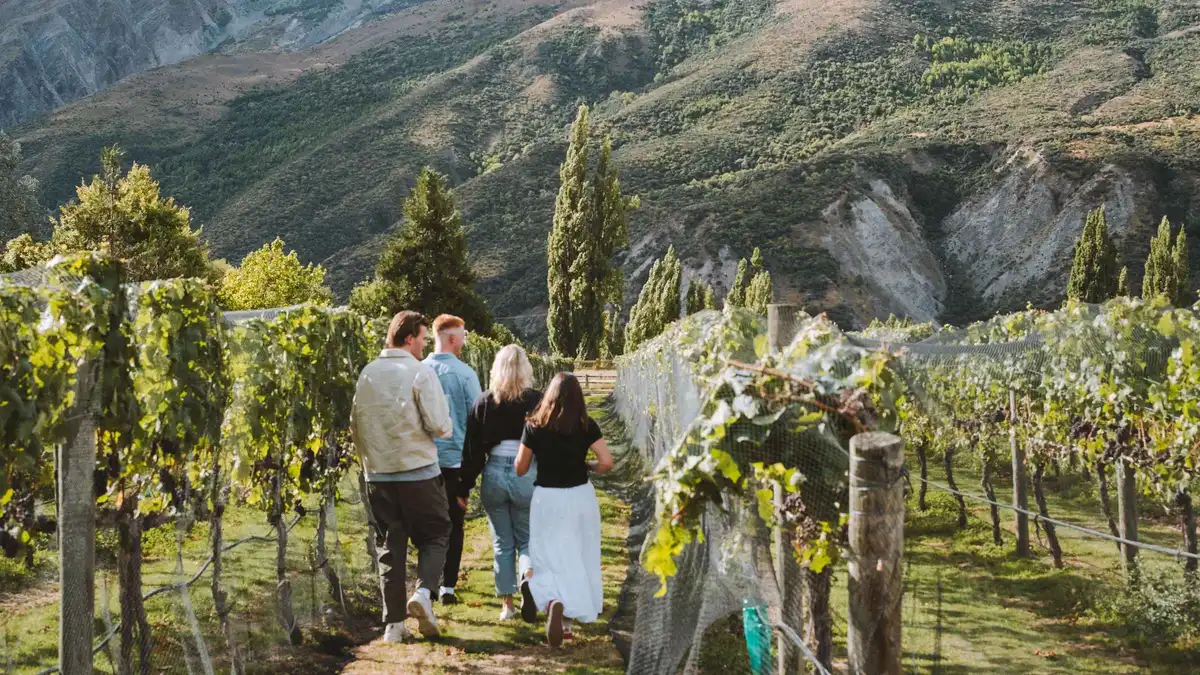
The Gibbston Valley is the other half day: New Zealand Winegrowers calls it the highest and coolest sub-region in Central Otago, six cellar doors publish tasting fees from $11.68 (NZ$20), and the Queenstown Trails Trust publishes a 40 km, six-to-eight-hour cycling route linking them.
And the day that is not a half day
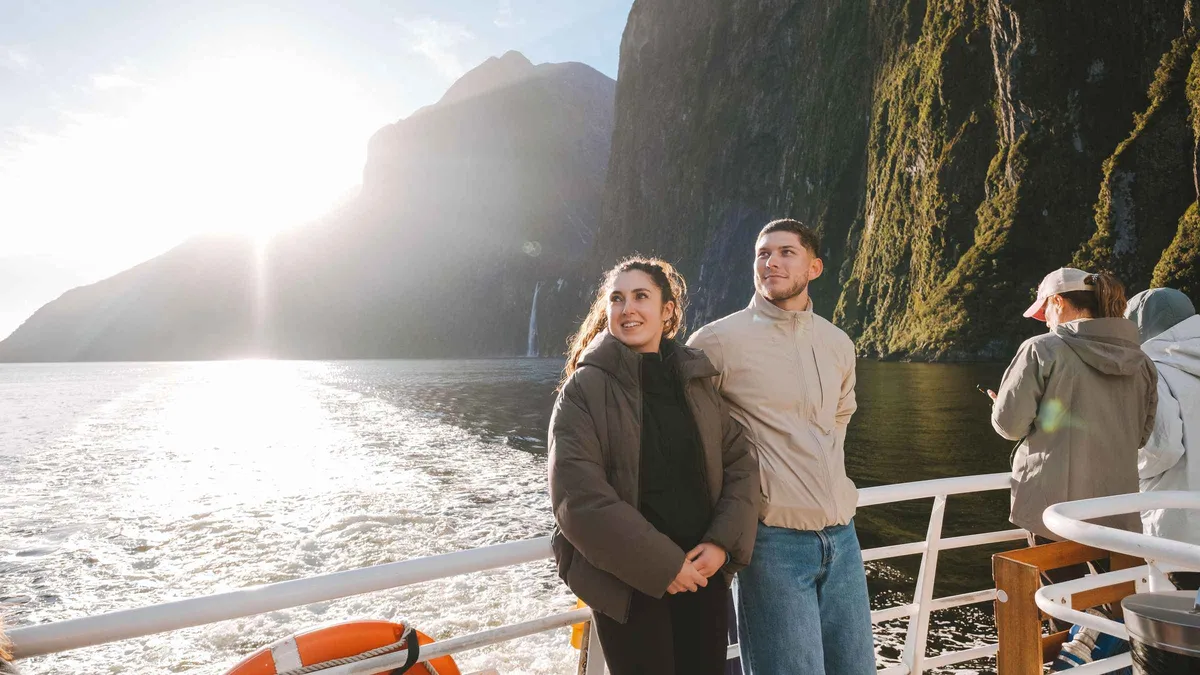
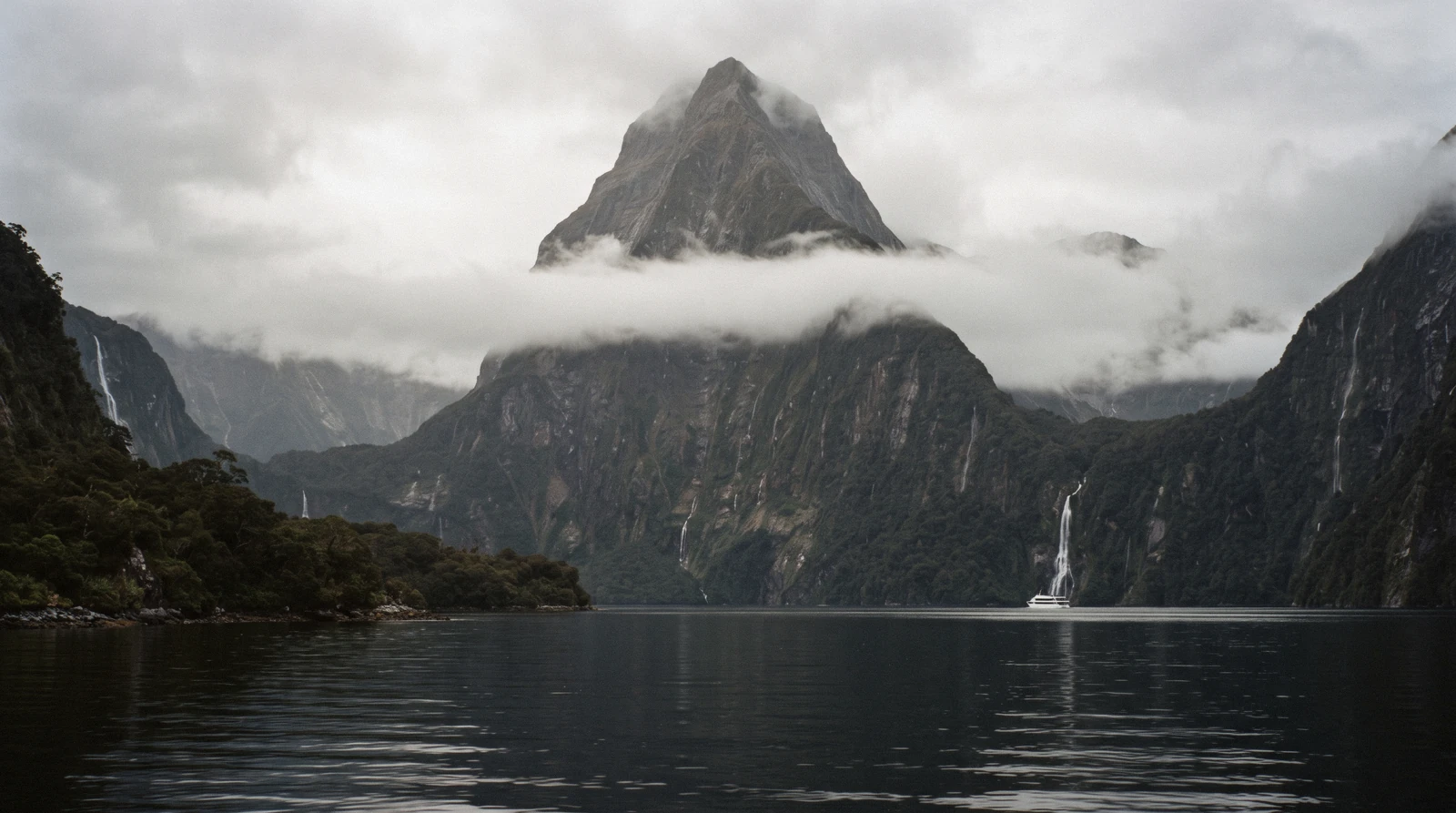
Milford Sound is the eighth, and the one to plan around rather than add. DOC states the Queenstown return as 600 km and 12 to 14 hours and recommends planning it from Te Anau instead, where the same return is 240 km and eight hours. Nobody charges for the fiord.
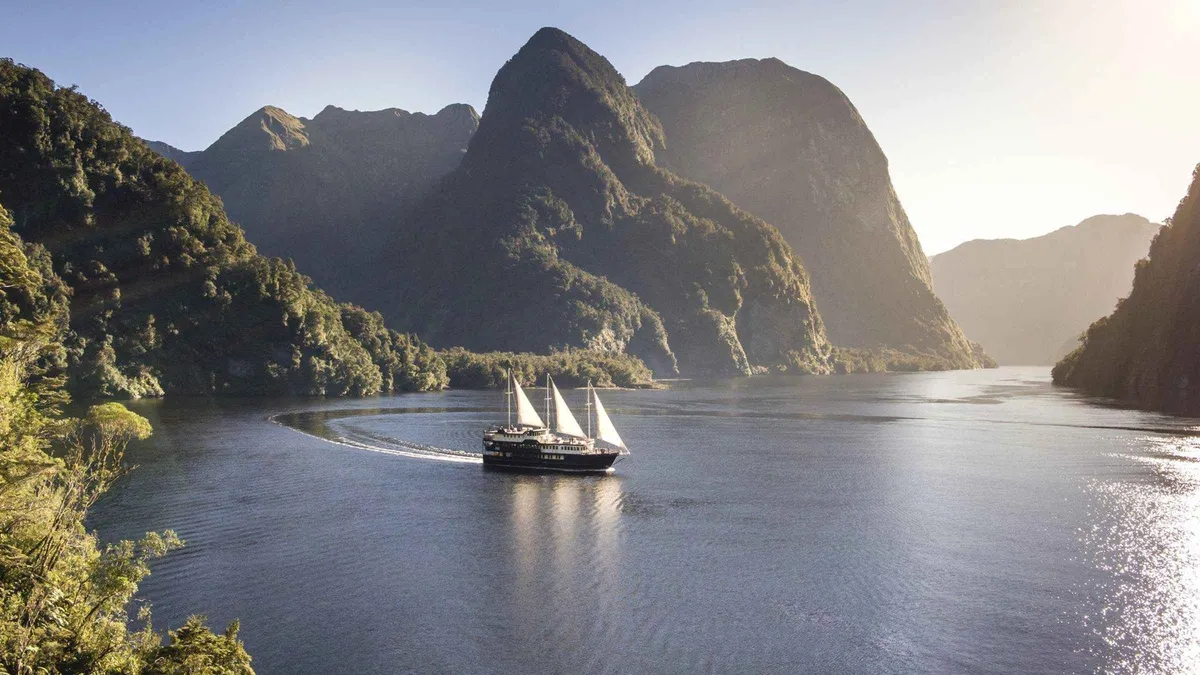
What you pay for is the transport: a coach and cruise day or, at the far end, a fly-cruise-fly that turns fourteen hours into five. The alternative fiord, Doubtful Sound, costs more for a reason RealNZ states plainly, that there is no road in: a lake crossing, a coach over Wilmot Pass and only then the boat.
Which Bungy, And What The Extra Money Buys
The most argued-over decision in Queenstown, and the one where the price gap is largest. Every figure is AJ Hackett's own published adult price, read on bungy.co.nz in Q3 2026; the times are ours, built from the operator's stated transport arrangements, because it publishes no round-trip duration.
Anyone 10 or over, tandem allowed to 220 kg; the swing is the family version of the Nevis
Watching costs nothing at Kawarau, which has a viewing deck, a licensed café and free parking for cars and campervans. At the Nevis a spectator seat on the bus is NZ$50 with a minimum age of 7. AJ Hackett publishes no lead time for either site beyond calling advance booking essential in summer and school holidays, so any 'book six weeks ahead' line elsewhere on the internet is somebody's guess. Weight and age limits differ by activity and are on the two entity pages.
The Bookings People Make First
One card per thing this town is actually known for. Every card links to the operator's own listing, where the calendar shows what is still open; prices are the platform's US dollar listing read in Q3 2026, and the official operator price sits beside it on each entity page.
The volume option, and the one most visitors actually book: hotel pickup, the coach down, a cruise with three viewing decks, back the same night. Twelve hours, and the least you can pay to reach the fiord.
Queenstown: Walter Peak Gourmet BBQ & Lake Whakatipu Cruise
★★★★★★★★★★4.8(3,120 reviews)· 3h 30m
Crosses to Walter Peak and stays for the gourmet BBQ buffet in the homestead, with the farm dog demonstration afterwards. Three and a half hours, and the only option here where a full meal is in the price.
Queenstown: Shotover River Extreme Jet Boat Experience
★★★★★★★★★★4.9(1,634 reviews)· 25 minutes
Twenty-five minutes inside the Shotover Canyons, which no other jet boat operator is permitted to enter: 90kmh between rock walls, with the 360-degree spins the ride is known for. Handrails are heated in winter.
Queenstown: Kawarau Bridge Bungy - World's First Bungy!
★★★★★★★★★★4.9(207 reviews)· 1 hour
The 43-metre jump from the bridge where commercial bungy began, solo or tandem, with a water-touch option if you want to be dunked in the Kawarau. Photos, video and the shuttle from town are in the price.
Australasia's highest jump: 134 metres from a pod you reach by cable car strung over the Nevis River. Allow four hours for the 4WD road out and back, and note that 13 is the minimum age.
Four lines that get longer, higher and faster as they go, starting and finishing at the top of the gondola, with the gondola ticket in the price. Two hours, and the one the operator points first-timers at.
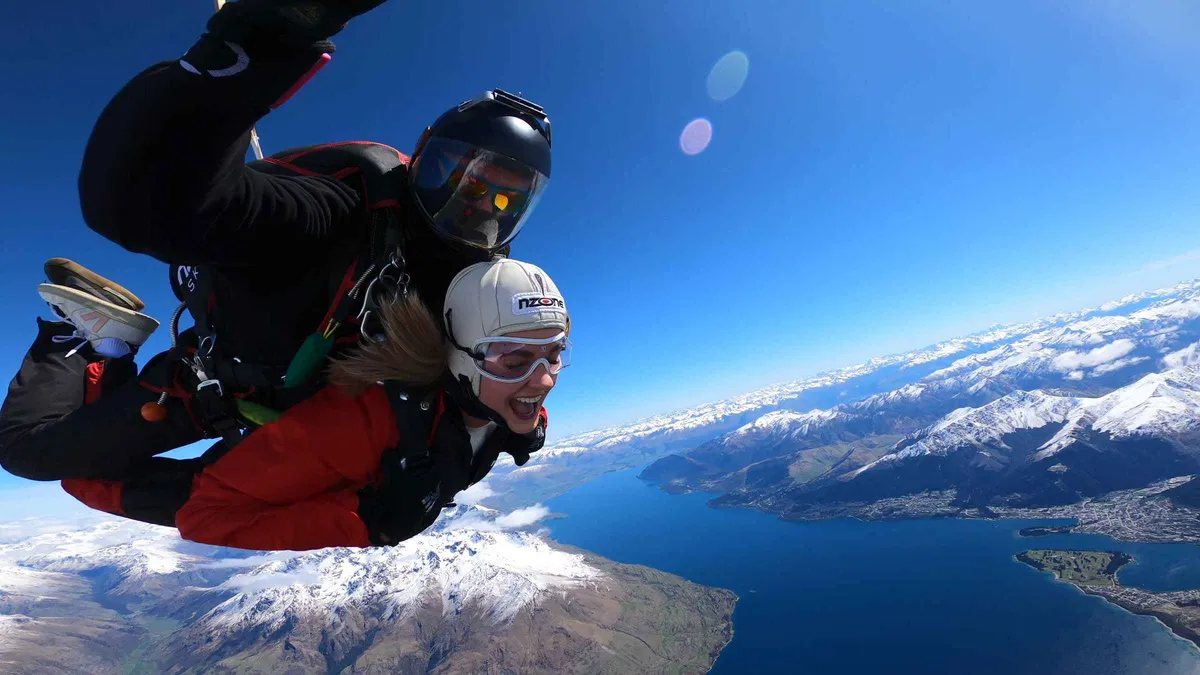
Three altitude options, 9,000, 12,000 or 15,000 feet, from the drop zone over the Wakatipu Basin. Allow three hours on the ground: the freefall lasts under a minute and the canopy ride about five.
Queenstown: Small Group Wine Tasting Tour with 18+ tastings
★★★★★★★★★★4.9(168 reviews)· 6 hours
Four cellar doors and 18 or more pours, including the underground wine cave at Gibbston Valley, in a small-group van. Six hours, and the deepest tasting count of the five wine options on this page.
Prices, ratings and details are the platform's own, checked in Q3 2026; dollar figures are the listed prices — the platform bills in your account's currency.
How Many Days Queenstown Needs
Our routing, built from the operators' published durations and the drive times DOC and NZTA publish for each road. Costs are entry and activity only, at adult prices, and exclude the room and the food.
The spare day is not padding. Skydiving, paragliding and every helicopter flight need a ceiling, the Milford road runs an avalanche programme from about June to October, and a cancelled activity is rebooked on the next clear morning, not refunded on the spot. What the rain stops has the list.
The Same Days, Written Out Hour By Hour
Each itinerary places the bookings in the hour they actually work, around the departure times the operators publish.
The Gardens at opening, the gondola before the afternoon cloud, an afternoon sailing and dinner on Beach Street. The one-day route is built entirely around walking and one boat.
The third day is the twelve-hour one, and which road you give it to is the only real choice. The three-day route runs both versions.
Three days, one long road
Eating In Queenstown, And The Lists Behind The Names
No venue is named here unless it appears on a published, citable list, and the list and its year print beside it. Prices are the venue's own.
The town punches far above 30,000 people at dinner, and the shortest way to a good table is to follow the awards rather than the queue. The Cuisine Good Food Guide 2026 gives Essence on Brunswick Street three hats and a score of 19.5, the highest in the district; Aosta in Arrowtown, Sherwood on Frankton Road and Toast & Oak on Shotover Street hold two each. Sherwood is the one to know if you eat vegetables first: it grows over 40% of its own green produce and keeps its own beehives, with mains at $14.60 to $17.52 (NZ$25 to NZ$30).
Botswana Butchery on Marine Parade runs 11:00 to 23:00 seven days with mains at $25.09 to $37.94 (NZ$42.95 to NZ$64.95). The full set of thirteen, each with the list it came off, is on the restaurants page.
The queue everybody photographs
Fergburger at 42 Shotover Street is open every day from 07:00 to 02:30, which is the actual fact behind the queue: it is not that the burger is unobtainable, it is that everyone tries at 19:00. Go at 15:00 or at midnight. Two Queenstown breweries carry national trophies rather than local reputations: Altitude Brewing on the Frankton Arm Walk was Champion New Zealand Medium Brewery in 2025, and Canyon at Arthurs Point took the juicy and hazy pale ale trophy the same year and a gold in the New Zealand IPA class in 2026.
Odd Saint was Best Cafe and Little Blackwood Best Bar at the 2026 Hospitality New Zealand Awards for Excellence.
Wine, and the honest version of the wine tour
Central Otago is New Zealand's third-largest wine region, with just over 2,000 hectares planted and more than 80% of it in Pinot Noir, and the Central Otago Winegrowers Association explains the style by the temperature range rather than the sunshine: the region holds the national records for both the hottest summer temperature at 38.7°C and the coldest at −22.7°C, and that diurnal swing is what keeps the acidity. Gibbston is the sub-region on Queenstown's doorstep and the coolest of them, which is why its wines ripen later. Tasting fees are published by all six cellar doors, from $11.68 (NZ$20) at Chard Farm to $37.98 (NZ$65) for the hosted flight at Brennan, and Peregrine and Mt Rosa both waive the fee if you buy two bottles. A driven tasting tour exists for the obvious reason, and so does a self-guided bike version on a Grade 2 gravel trail.
The Dates That Change The Trip
Five fixed points in the Queenstown year, each from the organiser's or the operator's own page. Everything unconfirmed is listed as unconfirmed, because most of what circulates about this town's calendar is out of date.
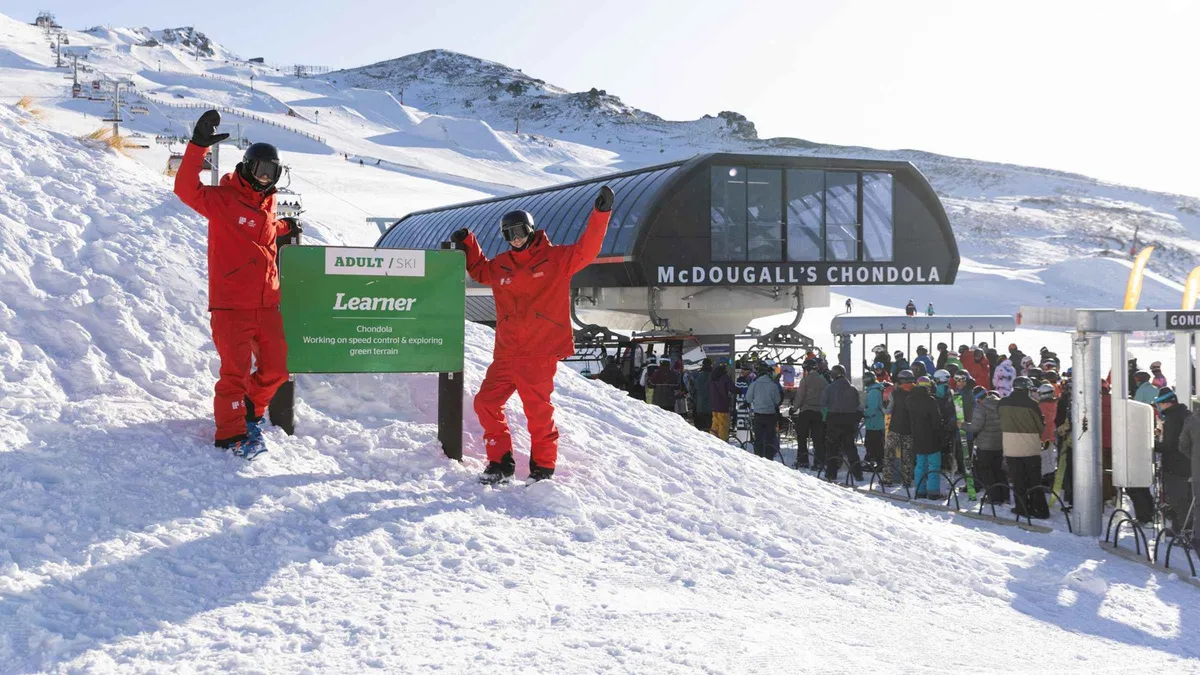
The ski season is the biggest of them, and the two authorities do not agree on when it starts. The operators publish 2026 seasons of 29 May to 4 October at Coronet Peak, 13 June to 11 October at The Remarkables, 26 June to 18 October at Cardrona and 27 June to 27 September at Treble Cone; Destination Queenstown, the regional tourism body, lists 13 June to 4 October, 13 June to 11 October, 20 June to 11 October and the same Treble Cone dates. Coronet Peak's extra fortnight runs on manufactured snow, so plan on the later date and treat the early window as a bonus.
A walk-up adult full-day Superpass at Coronet Peak is $105.10 (NZ$180) and a Cardrona single day starts at $107.50 (NZ$184) with up to NZ$15 off online. The dates move every year and the child, youth and night-ski prices are behind a wall that returns 403 to any automated request, so the winter page prints what NZSki actually publishes and says which figures it cannot verify.
The steamer goes into dry dock, and nobody expects it
The TSS Earnslaw sails every day of the year except for annual maintenance, and in 2026 that ran from 18 May to 26 June. In 2025 it was longer still, 19 May to 9 September, with the Spirit of Queenstown covering the Walter Peak runs alone. If the 1912 steamer is the reason you are booking a cruise rather than a boat, check the month before you book the flights.
What is fixed, and what died
The Queenstown Marathon is Saturday 14 November 2026, with 42, 21 and 10 km events plus a 2.2 km children's race, and it fills the town's beds. The Arrowtown Autumn Festival returns 15 to 18 April 2027. Beyond those two, be careful with what you read: the Queenstown Winter Festival as it was no longer runs, having been cancelled in 2023, with NZSki attempting a staged revival under a different name; LUMA's organisers say the last season is finished and the next is unannounced; and the Gibbston Wine and Food Festival has no organiser page publishing a date and is not on Destination Queenstown's annual list. The events page keeps that separation between dated, undated and discontinued.
What Actually Goes Wrong In Queenstown
Four failures that recur, all of them structural rather than bad luck, and all of them avoidable if you know the rule before you book.
The first is the airport. Queenstown Airport is open to aircraft from 07:00 to 22:00 under Civil Aviation Authority rules, and only Air New Zealand, Jetstar, Qantas and Virgin Australia are certified to operate there after dark. A late-afternoon delay in Auckland does not become a late-evening arrival in Queenstown; it becomes tomorrow morning.
Never book the first ski day, the first Milford coach or a non-refundable first night against a same-day connection through Auckland or Christchurch. Every way in from the terminal has the fares and the walking distance.
The twelve-hour day people buy blind
The second is Milford Sound. DOC puts the Queenstown return at 600 km and 12 to 14 hours and recommends running it from Te Anau instead, and the road adds its own delays: the Homer Tunnel is 1.2 km of single lane on traffic signals at 945 m, which can hold traffic up to 20 minutes at summer peak, and the avalanche season is usually June to October across a 17 km restricted no-stopping zone. There is limited mobile coverage past Te Anau and no fuel and no shops for the whole 120 km.
If you are driving it yourself in winter, DOC's own advice is the honest one: if you are not confident in winter conditions, take a bus. The Milford page prints the departure times, the parking charge and the two shorter alternatives.
The insurance nobody buys because it sounds like they already have it
The third is ACC. New Zealand's no-fault scheme covers any visitor injured in an accident here, regardless of residency, with the provider lodging the claim, which is genuinely unusual and genuinely generous. It is also why a lot of people arrive uninsured.
ACC does not cover illness, repatriation, disrupted travel, injuries in transit to or from New Zealand, or treatment once you are home, and ACC itself tells visitors to buy travel insurance. On the safety side, every commercial adventure operator in this guide must be registered with WorkSafe and must have passed an independent safety audit; the public register is searchable and the safety page explains how to read it.
The lake that photographs warmer than it is
The fourth is the water. Lake Whakatipu sits at 8 to 10°C all year and it is 80 km long and over 300 m deep for more than half of that; on a 25°C January afternoon it looks like a swimming lake and it is cold-shock water. Lifejackets are compulsory on every recreational vessel 6 m and under, kayaks included, and for paddleboarders at all times, and there is a 5-knot limit within 200 m of shore.
DOC calls the head of the lake at Glenorchy a challenging place for swimming with strong currents where the river meets it. The hazards page carries the harbourmaster's number and the rules in full.
Queenstown Month By Month
Average daily maximum temperature by month in Celsius, with the Fahrenheit reading underneath, computed from the ERA5 reanalysis through the Open-Meteo historical archive for the Queenstown coordinates over the thirty years from 1 January 1995 to 31 December 2024. The seasons are inverted from the northern hemisphere: July is the coldest month here and January the warmest.
19.6°C67°F
JanuaryJan
19.5°C67°F
FebruaryFeb
17.2°C63°F
MarchMar
13.7°C57°F
AprilApr
9.7°C49°F
MayMay
5.7°C42°F
JuneJun
4.4°C40°F
JulyJul
5.7°C42°F
AugustAug
8.7°C48°F
SeptemberSep
11.7°C53°F
OctoberOct
15°C59°F
NovemberNov
17.9°C64°F
DecemberDec
Warm enough for the lake and the tracks, quiet enough to book late
Busiest weeks of the year, and the only ones with a peak-day projection behind them
Highs of 4.4 to 5.7°C, four ski fields open, alpine gear needed above the bushline
Wettest stretch of the year at 141 and 138 mm, and the most rain days in October
Source: the Open-Meteo ERA5 archive, the exact call that reproduces this table. The grid cell sits at 322 m against a town at about 310 m, so it is a fair proxy for the valley floor and smooths the 2,000 m peaks around it. Earth Sciences New Zealand publishes its 1991 to 2020 station normals through CliFlo rather than as a per-town page, so no gauge comparison is offered here. Month by month in full.
What Is Running In Each Month, And What Is Not
The climate figures are the ERA5 thirty-year means above; the opening and closing lines are the operators' and the authority's own published dates for 2026 and 2027. Where nobody publishes a date, the cell says so.
Month
Average high
Rain days
What is running
What is shut or restricted
January
19.6°C (67°F)
12.0
Everything on the water and every road out
Peak beds and peak prices; Skyline withdraws unlimited luge in holiday periods
February
19.5°C (67°F)
10.3
The driest month at 95 mm, and the lake at its warmest
Nothing, but the second half is when rooms start to loosen
March
17.2°C (63°F)
11.6
The best all-round month: warm days, no avalanche programme
Nothing published
April
13.7°C (57°F)
11.8
Autumn colour in Arrowtown; the festival returns 15 to 18 April 2027
Great Walks season ends 30 April; Routeburn becomes an alpine route on 1 May
May
9.7°C (49°F)
13.7
Quietest month in town; the walks are still open
The TSS Earnslaw went into maintenance on 18 May in 2026
June
5.7°C (42°F)
12.6
The Remarkables opened 13 June, Cardrona 26 June; Coronet Peak targeted 29 May on made snow
Milford road avalanche season begins; the steamer was out until 26 June
July
4.4°C (40°F)
11.4
Full ski season, and the driest month with August at 93 mm
Coldest month, mean minimum 0.0°C; Ben Lomond needs ice axe and crampons
August
5.7°C (42°F)
11.7
Ski fields at their fullest cover
Alpine conditions above the bushline on every mountain track
September
8.7°C (48°F)
13.7
Late season on all four fields
Wettest month of the year at 141 mm; Treble Cone closed 27 September in 2026
October
11.7°C (53°F)
15.3
Great Walks season opens 1 November; the town reopens for summer
Most rain days of any month; Coronet closed 4 October, the others 11 October
Marathon weekend fills the beds across the whole basin
December
17.9°C (64°F)
15.2
Full summer programme on every river and both fiords
Peak from about 19 December; the council models a peak day at 2.5 times an average one
The council's own demand projections put 29,350 visitors in the district on an average day in 2027 against 58,700 residents, and 73,375 on a peak day, and QLDC says plainly that the peak is only likely on a very few days over Christmas and New Year. There is no monthly visitor count for Queenstown, so the crowd column is our reading of published season dates and that projection, not a measurement.
Getting Around Without A Car
Queenstown has five bus routes, one passenger ferry and one fare card, and the fare card is the entire trick. Figures are the Otago Regional Council's published fares.
Every Orbus ride in the district is $1.46 (NZ$2.50) with a Bee Card and $2.34 (NZ$4) in cash, and transfers between two buses within 45 minutes are free. The card itself is NZ$5 with a NZ$5 minimum top-up, which means it pays for itself on the airport trip alone, where the cash fare is NZ$10 against NZ$2.50 on the card. Route 1 runs Sunshine Bay to the Remarkables Shops with a first bus at 06:02 and a last at 00:25, every fifteen minutes until 20:01 and every half hour after that, seven days a week.
Route 2 links Frankton Hub to Arrowtown, Route 3 crosses to Kelvin Heights, Route 4 runs Jacks Point to Arrowtown through the centre, and Route 5 comes in from Lake Hayes Estate.
Fare
With a Bee Card
Cash or bank card
Notes
Any Orbus bus ride
$1.46 (NZ$2.50)
$2.34 (NZ$4)
Free transfer to a second bus inside 45 minutes
Child and youth bus fare
$0.88 (NZ$1.50)
$2.34 (NZ$4)
The cash fare is the same as an adult's
Airport bus
$1.46 (NZ$2.50)
$5.84 (NZ$10)
The only route on the network with a cash premium
Queenstown Bay to Frankton ferry
$5.84 (NZ$10)
$8.18 (NZ$14)
Hourly, 08:45 to 21:45 from Queenstown
Bee Card itself
NZ$5 plus NZ$5 minimum top-up
n/a
Pays for itself on the first airport trip
What the network does not do
There is no daily or weekly fare cap in Queenstown. The regional council publishes none, so every ride is charged, and a day of four buses is four fares. The free 45-minute transfer is written as covering two buses; do not assume it carries you from a bus onto the ferry.
A taxi or Uber from the airport is quoted by the airport itself at NZ$50 to NZ$85 including its own NZ$9.10 per-ride charge, and Uber is the only app-based service permitted on the airport rank. None of the bus routes reaches Milford, Aoraki, Glenorchy or the Nevis: those are drives or tours, and the transport page says which is which.
What A Day In Queenstown Costs
Three shapes of day, priced from the operators' own adult figures. Accommodation is excluded because it is the one number that moves most, and it has its own page.
The daily cost of Queenstown is decided by one booking, not by a hundred small ones, and the free version of this town is genuinely good. A day of the Gardens loop, the Frankton Track, a climb up Queenstown Hill and an hour on the free viewing deck at the Kawarau bungy costs the price of two bus rides, $2.92 (NZ$5). Add the gondola and you are at $43.20 (NZ$74).
Add a jet boat or a bungy and the day trebles. Goods and services tax of 15% is already inside every price you will see, and there is no departure refund scheme: visitors from the European Union, the United Kingdom, Singapore or Australia look for the airport refund desk and it does not exist. Tipping is not obligatory here, in Tourism New Zealand's own words, even in restaurants and bars, and hotels and restaurants do not add service charges.
A day like this
What is in it
Per person
The free day
Gardens loop, Queenstown Hill, the Kawarau viewing deck, two bus rides
$2.92 (NZ$5)
The ordinary sightseeing day
Gondola return, a lake cruise, the Lakes District Museum, buses
About $116 (NZ$198)
The adrenaline day
One jet boat ride, one Kawarau bungy, buses and a shuttle
About $306 (NZ$524)
The Fiordland day
Coach and cruise to Milford, twelve to fourteen hours door to door
From $137.55 as listed
The winter day
Walk-up adult Superpass at Coronet Peak, plus transport
$105.10 (NZ$180) and up
The two numbers that arrive before you do
Before any of that there is the border. An NZeTA is required for visa-waiver nationals and Immigration New Zealand prices it from NZ$17, valid two years for multiple entries, with a stated 72-hour processing allowance. Attached to the same payment is the International Visitor Conservation and Tourism Levy at NZ$100, charged every time and never refunded, even if the application is declined.
So walking into New Zealand on a waiver passport costs about $68.30 (NZ$117), not NZ$17. The New Zealand Traveller Declaration is separate again, compulsory for everyone including New Zealanders, and free. The entry page has the exemptions, and the costs page has the whole ledger.
The Roads Out Of The Basin
Four roads leave Queenstown and each is a different length of day. These are the operators running them, with the platform's listed US dollar price read in Q3 2026; the drive times beside each destination come from DOC and the council, not from the seller.
from $220.73
Milford Sound: Premium Small Group Tour from Queenstown
★★★★★★★★★★4.8(475 reviews)· 13 hours
Capped at 15 people in a Mercedes touring van, with hotel pickup and a packed picnic lunch already covered. It is the longest day of the five at 13 hours, and the one that trades a full-size bus for legroom.
From Queenstown: Doubtful Sound Wilderness Day Trip
★★★★★★★★★★4.7(359 reviews)· 13 hours
The only way to reach Doubtful Sound in a day from town: coach to Manapouri, a lake crossing, the Wilmot Pass road, then three hours on a fiord with no road access. Thirteen hours, and the boat is licensed.
Built around walking the Hooker Valley Track, with a guide who walks it with you rather than dropping you at the car park. Twelve hours from Queenstown, with photo stops at Lake Pukaki on the way in.
From Queenstown: Lord Of The Rings Tour to Glenorchy
★★★★★★★★★★4.9(507 reviews)· 4h 30m
Follows the Glenorchy Road to the Dart Valley and Diamond Lake, with national park fees and a hot drink covered, plus costumes and replica swords to handle. Four and a half hours, small group, pickup included.
Queenstown: Arrowtown To Queenstown Biking Adventure
★★★★★★★★★★4.8(267 reviews)· 5 hours
A one-way ride: the shuttle carries you and the bike out, then you pedal the 35 kilometres back along the rivers and lake edge into town. Five hours at an easy pace, standard bike or e-bike, ridden unguided.
From Queenstown: Cardrona First Timer Ski or Snowboard
★★★★★★★★★★4.4(37 reviews)· 1 day
A learn-to-ski or snowboard day at Cardrona with the transfer from Queenstown, the skis or board, the outerwear, the learner pass and a full day of group lessons in one booking. Nothing to hire on arrival.
Prices, ratings and details are the platform's own, checked in Q3 2026; dollar figures are the listed prices — the platform bills in your account's currency.
Eight Questions Before You Book
The things people ask before they spend anything, each answered from the page that owns it.
Is Queenstown worth the flight from the other side of the world?
Yes, and the best hours here are free: a 2 km loop through the Gardens, a lakeside track and a viewing deck over the world's first commercial bungy. The caveat is that a single 25-minute jet boat ride is $116.20 (NZ$199) and a bungy $186.90 (NZ$320), so the town rewards people who know which two things they actually want. The honest answer
What do I have to arrange before I get on the plane?
An NZeTA if you hold a visa-waiver passport, from NZ$17 with a 72-hour allowance, and the NZ$100 conservation levy is charged in the same payment whether or not the application succeeds. The Traveller Declaration is separate, compulsory for everyone and free. The three entry steps
What is genuinely dangerous here?
The water and the weather, not the town. Lake Whakatipu sits at 8 to 10°C all year and is over 300 m deep for more than half its length, and DOC treats the Ben Lomond track above the gondola as an alpine route in winter. Every commercial adventure operator must be registered with WorkSafe and independently audited. What the authorities say
How much money should I bring for a day?
About $2.92 (NZ$5) if you walk and take two buses, about $116 (NZ$198) for an ordinary sightseeing day with a cruise, and about $306 (NZ$524) if that day includes a jet boat and a bungy. Goods and services tax of 15% is already in every price and there is no refund at the airport. The full ledger
What happens if it rains the whole time?
Most of Queenstown keeps running. The jet boat operates year round in light rain, the bungy sites operate in most weather, and Milford Sound averages about 4,089 mm a year, which is what puts the waterfalls on the cliffs. What stops is anything needing a ceiling: skydiving, paragliding and every helicopter flight. What still runs
How do I get from the airport into town?
The airport is 8 km away in Frankton and the bus leaves from outside the terminal roughly every fifteen minutes in the day, at $1.46 (NZ$2.50) with a Bee Card against $5.84 (NZ$10) in cash. A taxi or Uber is quoted by the airport at NZ$50 to NZ$85, including its own NZ$9.10 per-ride charge. Every way in, priced
When should I come?
Late February to mid-April for everything except skiing: the average high falls from 19.5°C to 13.7°C, the summer holiday crowd has gone and the Milford road has no avalanche programme running. If you came to ski, the calendar belongs to four mountains that open weeks apart in June. Sorted by what you came for
Which part of town should I sleep in?
The town centre if you want to walk everywhere and will pay $119–269 (NZ$203–460) midweek for it, Frankton at $105–150 (NZ$179–257) if you have a car or do not mind a thirteen-minute bus. Kelvin Heights is the one where the commute is a ferry. Six areas compared
Queenstown, New Zealand: The Questions People Ask About The Place Itself
Where exactly is Queenstown, New Zealand?
In the Otago region of the South Island, on the northern shore of Lake Whakatipu at about 310 m above sea level, with the Remarkables range rising to 1,943 m directly across the water. The nearest airport is Queenstown Airport in Frankton, 8 km east of the town centre.
Is this the same Queenstown as the one in South Africa or Tasmania?
No. There are Queenstowns in South Africa, in Tasmania and in Singapore, and this guide is only about the New Zealand one in Otago. If a search result mentions Komani, the Eastern Cape or the west coast of Tasmania, it is a different place entirely.
Why is Queenstown so famous?
Because commercial bungy jumping was invented here: AJ Hackett opened the world's first commercial site on the Kawarau Bridge in 1988 and the town became shorthand for adventure tourism. The scenery did the rest, with Lake Whakatipu 80 km long under a range that rises to 1,943 m, four ski fields within an hour and the road to Fiordland starting at the door.
Why is Queenstown, NZ so expensive?
Because almost everything with a price attached here is a guided or engineered activity rather than an entry ticket: a 25-minute jet boat ride is $116.20 (NZ$199), a bungy $186.90 (NZ$320) and a fiord day trip starts around $137.55, and each of those carries a boat, a bus or an aircraft behind it. Beds are the other half of it, with the town centre running $119–269 (NZ$203–460) midweek in October. The free half of the town, the tracks and the lakefront, costs nothing, and the cost page itemises both halves.
What is Queenstown known for?
Commercial bungy jumping started here in 1988 on the Kawarau Bridge, an 1880 road bridge that still carries the jump, and the town built an industry on it. Alongside that: Lake Whakatipu, four ski fields inside an hour, the gondola up Bob's Peak, and the roads to Fiordland and Aoraki that start at its door.
How big is Queenstown?
Small, and that is the surprise. The council's own demand projections put 58,700 residents in the whole Queenstown Lakes district in 2027 against 29,350 visitors on an average day and 73,375 on a peak day. The town centre itself is walkable end to end in twenty minutes.
Do I need a car in Queenstown?
Not to stay in the town centre, where five bus routes and a ferry cost $1.46 (NZ$2.50) a ride with a Bee Card and everything in the centre is on foot. You need one, or a tour seat, for Glenorchy, Aoraki, the Nevis and any winter morning on a ski-field access road.
What language and money will I need?
English, with te reo Maori as a second official language and many place names in it, including Whakatipu Waimaori for the lake. The currency is the New Zealand dollar, cards are accepted almost everywhere, 15% goods and services tax is already inside every displayed price, and tipping is not expected.
Is Queenstown busy all year?
No. It has two peaks and two quiet spells: the Christmas and New Year fortnight, and the ski season from about mid-June to mid-October. May is the quietest month in town, and late February to April is the stretch where the weather is still good and the beds are not full.
Queenstown On Film, Before You Book Anything
Three walk-throughs from travellers who filmed the town at street level, useful for the scale of the basin and the pace of a day here.
Queenstown, New Zealand: 14 Top Things To Do In And Around Town
A route through the town, the lake and the roads out, with the travel-tip section at the end.
Video: World Wild Hearts
Queenstown Travel Tips, Tricks And Things To Do
The practical version: where things are, what they cost, and what the days look like.
Video: YouTube
Walk Tour Of Queenstown, New Zealand In 4K
An unedited walk through the town centre, which is the fastest way to see how small it really is.
Video: YouTube
Videos load from YouTube only when you press play.
Start With The Booking That Sets The Week
One thing here decides the shape of a trip: the Fiordland day, the river, or the jump. Everything else in this guide can wait until the morning you use it.
Prices and availability are set by the operator and confirmed at checkout.
Every day 08:30–20:30; open public holidays, closed Christmas Day
Coordinates
-45.0312, 168.6626
Time zone
NZST/NZDT (UTC+12/+13)
Currency
New Zealand dollar (NZ$)
The office, phone and email above belong to the city's own visitor service, published on the official tourism site and checked on 2026-09-08 — they are not this site's contact details. To reach us, use the contact page.
 Queenstown City Guide
 from $137.55
Most booked
from $137.55
Most booked